Green Quartzite Slabs
BAASAR STONES

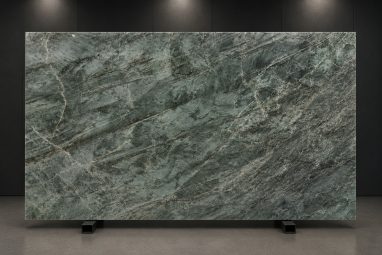
Premium Green Quartzite Slabs in Melbourne
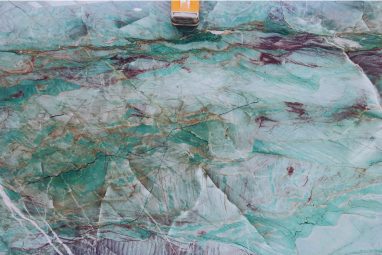
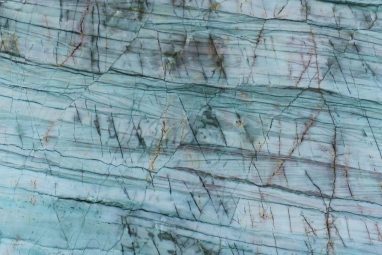
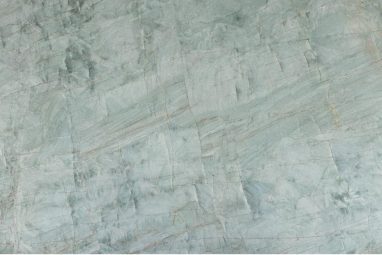
Green quartzite is a distinctive natural stone recognised for its rich colour variations, expressive mineral patterns and naturally occurring veining. Depending on the individual slab, shades can range from soft sage and olive to emerald and deep forest green, often accompanied by white, grey, black or contrasting mineral movement.
As a natural stone supplier in Melbourne, Baasar Stones offers a carefully selected collection of green quartzite slabs for residential and commercial projects. We work with homeowners, stonemasons, builders, architects, interior designers and developers looking for natural stone that can become a defining feature within a space.
Every slab is naturally individual. Colour intensity, veins and mineral markings vary from piece to piece, which is why viewing the full slab is particularly valuable when selecting green quartzite.
Explore Our Green Quartzite Collection
Baasar Stones offers several distinctive green quartzite varieties, allowing customers to explore different colours and natural patterns.
Our current Green Quartzite collection includes:
- Verde Emerald Quartzite
- Moldavite Exotic
- Da Vinci Quartzite
- Emerald Haze Quartzite
- Emerald Haze Dark
These varieties are currently displayed within the Green Quartzite collection on the Baasar Stones website.
Some slabs feature vivid green tones and dramatic natural movement, while others provide darker, more restrained patterns. This variety makes it possible to select a stone according to the level of visual impact required for the project.
As natural stone inventory changes, contact our team for current slab availability.
What Is Green Quartzite?
Quartzite is a natural metamorphic stone formed when quartz-rich sandstone is subjected to heat and pressure over geological time.
Green quartzite refers to quartzite varieties where naturally occurring minerals contribute green tones to the stone. Depending on its composition, a slab may contain different shades of green alongside white, grey, cream, black, brown or other colours.
The result can range from relatively consistent surfaces to highly expressive slabs with sweeping veins and dramatic mineral patterns.
Unlike manufactured surfaces, these patterns are naturally formed. No two slabs should be expected to look exactly alike.
Why Choose Green Quartzite?
Green quartzite is particularly suited to interiors where natural stone is intended to contribute colour as well as texture.
Depending on the individual stone, its characteristics can include:
- Naturally occurring green colour variations
- Distinctive mineral patterns
- Individual variation between slabs
- Strong visual impact
- Compatibility with timber and neutral finishes
- Polished, honed and selected textured finishes
- Strong natural stone characteristics
- Suitability for various interior applications
Green quartzite is generally considered a robust natural stone, but it should not be described as completely scratch-proof, stain-proof or maintenance-free.
Performance, porosity and maintenance requirements can differ between individual stones.
Green Quartzite Kitchen Benchtops
A green quartzite benchtop can become a defining feature within a kitchen.
Unlike white or grey surfaces that often provide a neutral background, green quartzite can introduce noticeable natural colour while still coordinating with a wide variety of interior materials.
Green quartzite can work particularly well with natural timber cabinetry. Oak and other warm timber tones can complement the organic green colouring and create an interior inspired by natural materials.
White or cream cabinetry can provide a lighter contrast, while black and charcoal finishes can produce a stronger, more dramatic result.
Metallic details such as brass or brushed finishes can also complement many green stone palettes.
Green Quartzite Kitchen Islands
Large kitchen islands provide an opportunity to showcase the natural movement of green quartzite at scale.
Highly patterned varieties such as those with emerald colouring, sweeping veins or strong mineral contrasts can become the centrepiece of an otherwise understated kitchen.
Waterfall ends can extend the natural stone vertically down the island. Where the quartzite has strong directional movement, the slab should be planned carefully before fabrication so the patterns across adjoining surfaces work together.
Viewing the complete slab before fabrication also allows you to identify which areas of the natural pattern you would most like to feature.
Green Quartzite Splashbacks
Green quartzite can also be used to create a distinctive kitchen splashback.
A full-height splashback provides a large vertical surface where the natural veins and mineral markings can remain visible.
Using green quartzite across both a benchtop and splashback can create visual continuity. Alternatively, the stone can be reserved for the splashback and paired with a quieter benchtop material.
The appropriate approach depends on the amount of pattern and colour you want within the finished kitchen.
Green Quartzite for Bathrooms
Green quartzite can introduce natural colour and character into a bathroom.
Depending on the particular slab and application, it may be considered for vanities and selected feature surfaces.
Green stone can pair effectively with white and neutral tiles, timber cabinetry and metallic fixtures. Brass can contribute warmth, while chrome and brushed nickel can provide a cooler contrast.
Darker green varieties can also work with black fixtures for a more dramatic contemporary aesthetic.
For bathroom and wet-area applications, consider the particular stone, finish, sealing requirements and installation conditions.
Green Quartzite Feature Walls
A feature wall provides an opportunity to display green quartzite as an architectural element rather than simply a functional surface.
Large slabs allow the stone’s natural veins, colours and mineral patterns to remain prominent.
Depending on the stone and project, green quartzite can be considered for:
- Feature walls
- Fireplace surrounds
- Reception counters
- Bar surfaces
- Commercial counters
- Hospitality interiors
- Statement furniture
- Selected wall applications
For specialised installations, the slab, substrate and installation method should be assessed by the appropriate professional.
Green Quartzite for Commercial Interiors
Green quartzite can also be considered for commercial spaces where natural stone is intended to create a distinctive visual identity.
Reception counters, hospitality interiors, bars and selected feature surfaces can provide enough area to showcase the stone’s natural colour.
For architects and interior designers, the individual character of each slab can also provide an opportunity to make natural stone part of the broader material palette rather than treating it simply as a functional surface.
Application requirements should be considered alongside appearance when specifying a particular quartzite.
Green Quartzite vs Green Marble
Green quartzite and green marble can both provide distinctive natural colouring, but they are different stone materials.
Green quartzite is generally quartz-rich and recognised for strong physical characteristics.
Green marble, depending on the particular commercially named stone, can display distinctive veins and mineral patterns but may have different composition and maintenance requirements.
Appearance can also differ significantly. Some green marble has defined white veining, while green quartzite can feature more varied mineral movement and colour transitions.
Rather than assuming one is universally better, compare the individual slabs based on appearance, intended use and maintenance expectations.
Green Quartzite vs Granite
Quartzite and granite are both natural stones commonly considered for architectural and interior surfaces.
Green quartzite can feature flowing veins, layered mineral movement and dramatic variations in colour.
Granite generally has a different geological composition and can display granular, crystalline or other distinctive natural patterns.
Both stone categories contain many different varieties, so characteristics should be assessed at the individual slab level.
For design-led projects, the decision may ultimately depend on which stone provides the colour and natural movement that best complements the surrounding materials.
Polished, Honed and Leathered Green Quartzite
The current Baasar Stones page identifies polished, honed and leathered as available green quartzite finish options. Each can create a different visual effect.
Polished Green Quartzite
A polished finish creates a smooth, reflective surface that can emphasise rich green colouring and natural mineral details.
Honed Green Quartzite
A honed finish provides a smoother matte appearance with less reflection. This can soften the overall appearance of strongly coloured stone.
Leathered Green Quartzite
A leathered finish creates a more tactile surface and can highlight the natural texture and character of selected stones.
Finish availability and suitability depend on the individual quartzite and intended application.
How to Choose a Green Quartzite Slab
Green quartzite can vary significantly, making full-slab selection particularly important.
Look at the Overall Colour
Decide whether you prefer lighter green, olive, emerald or deeper forest tones.
Examine the Pattern
Some slabs have restrained movement, while others contain dramatic veins and strong colour transitions.
Consider the Surrounding Materials
Compare the stone with cabinetry, flooring, paint, fixtures and other finishes.
Think About Lighting
Green quartzite can appear different under daylight and artificial lighting. Consider the lighting conditions where the stone will eventually be installed.
View the Full Slab
A small sample cannot accurately represent a highly patterned natural stone. Inspecting the full slab gives you a better understanding of its overall movement.
How to Care for Green Quartzite
Appropriate care can help maintain the appearance of green quartzite.
General recommendations include:
- Clean spills promptly.
- Use a pH-neutral cleaner suitable for natural stone.
- Avoid unnecessarily harsh or abrasive chemicals.
- Use chopping boards during food preparation.
- Use trivets or heat-resistant mats beneath hot cookware.
- Apply an appropriate natural stone sealer where recommended.
- Assess periodically whether resealing is required.
The existing page correctly recommends a soft cloth, warm water and pH-neutral stone cleaner, but its broader claims about stain, scratch and heat resistance should be qualified.
Different quartzite varieties can have different porosity and mineral characteristics. Care recommendations should therefore be appropriate to the specific stone and finish.
Green Quartzite Slab Pricing in Melbourne
The price of green quartzite slabs in Melbourne varies according to the stone selected and current availability.
Factors that can affect material pricing include:
- Quartzite variety
- Country of origin
- Slab dimensions
- Thickness
- Quality
- Colour and mineral characteristics
- Natural pattern and veining
- Finish
- Availability
- Quantity required
Rare or highly expressive exotic slabs may be priced differently from more readily available quartzite.
Where the stone is being used for a benchtop or another fabricated application, fabrication, cut-outs, edge profiles, joins and installation can also affect the complete project cost.
Contact Baasar Stones for current availability and slab pricing.
Why Choose Baasar Stones for Green Quartzite?
Baasar Stones supplies natural stone for residential and commercial projects and provides customers with the opportunity to compare full-size slabs before making a selection.
We work with homeowners, stonemasons, builders, architects, interior designers and developers looking for natural stone suited to different project requirements.
Our team can assist with comparing green quartzite based on:
- Colour and undertones
- Veining
- Natural movement
- Slab dimensions
- Surface finish
- Intended application
- Surrounding materials
- Overall design requirements
Alongside green quartzite, Baasar Stones supplies white and black quartzite as well as marble, granite and dolomite, allowing customers to compare several natural stone options.
View Green Quartzite Slabs in Laverton North
Natural green quartzite is best appreciated at full scale. Online photographs are useful for initial inspiration, but they cannot always represent the true colour, pattern and mineral movement of an individual slab.
Visit the Baasar Stones showroom in Laverton North to explore available green quartzite and compare individual slabs in person.
If possible, bring cabinetry, flooring, tile or paint samples with you. Seeing these materials alongside the actual stone can make it easier to determine which colour and pattern work best for your project.
Whether you are planning a kitchen, bathroom, new home or commercial interior, our team can help you explore suitable natural stone options.
For current green quartzite availability, pricing or assistance selecting a slab, call Baasar Stones on (03) 9357 7780 or contact us online today.
Frequently Asked Questions
Does green quartzite work with white kitchens?
Yes. Green quartzite can provide a strong natural contrast against white cabinetry. Lighter green slabs can create a softer effect, while emerald and dark green varieties can become a prominent focal point.
What cabinetry colours complement green quartzite?
Timber, white, cream, charcoal and black cabinetry can all complement green quartzite. The best combination depends on the specific green tones, veins and undertones within the selected slab.
Can several green quartzite slabs be matched for a large project?
They can be selected to coordinate, but natural slabs will not be identical. For projects requiring multiple slabs, viewing them together before fabrication helps assess colour, pattern and vein compatibility.
Does lighting affect the appearance of green quartzite?
Yes. Natural daylight, warm lighting and cooler artificial lighting can change how the green tones and mineral details are perceived. It is worth considering the lighting conditions of the finished room when choosing a slab.
Can green quartzite be used as the main statement feature in a room?
Yes. Strongly patterned green quartzite can work particularly well on kitchen islands, full-height splashbacks, feature walls and other large surfaces where its natural colour and movement can become part of the overall design.